





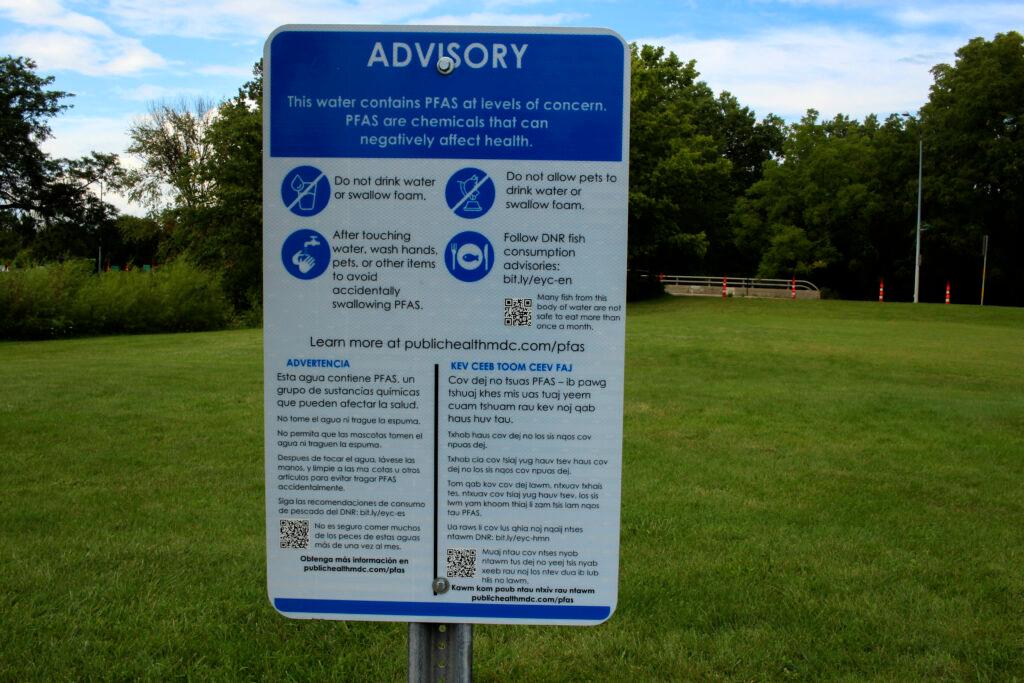


The Wisconsin Senate unanimously passed legislation Tuesday that, once signed, will release $125 million set aside nearly three years ago to address PFAS contamination in the state’s water supplies.
The vote, on the last day the Senate was scheduled to be in session for the year, was the culmination of a multi-year legislative saga involving negotiations between legislative Republicans, Gov. Tony Evers, the state Department of Natural Resources and a number of outside interest groups.
A similar bill passed the Legislature during the last legislative session but was vetoed by Evers over objections from Democrats and environmental groups that the bill was too lenient to polluters responsible for PFAS contamination.
The two-bill package passed unanimously in both legislative chambers despite opposition from WMC, which is usually one of the largest supporters of Wisconsin Republicans.
The bill’s author, Sen. Eric Wimberger (R-Oconto) noted on the floor Tuesday how “meticulously drafted” the final version was to make sure all the parties were on board.
“The result is a bill that helps people who need to be helped and stops the government from going after people who are genuinely innocent of causing a hazardous discharge,” he said.
Gov. Tony Evers said in a statement that he was looking forward to signing the bill so the money could get out the door.
“While I wish it wouldn’t have taken nearly as long for the Legislature to join me in this important work, I’m thrilled that these bills will soon be on the way to my desk so that we can get these critical and long-overdue investments out the door to the folks and families who need them,” Evers said. “Whether it’s kids in the classroom, families at home, or our farmers and agricultural industries, folks should be able to trust that the water coming from their tap is clean and safe. I’m incredibly proud we were able to work across the aisle to get this done — and get it done right.”
Under the bill, landowners who spread PFAS contaminated materials on farm fields under a DNR-authorized permit, local governments and airports that used PFAS-containing firefighting foams, solid waste disposal facilities and anyone who had PFAS move onto their property through shifting groundwater will not be held responsible for PFAS pollution under the state’s toxic spills law.
The second bill in the package creates the programs through which the $125 million will be spent. Those programs include grants to municipal water systems and private well owners, as well as expanding the state’s testing capabilities and studying the long-term effects of PFAS.
The $125 million was first set aside in the state’s 2023-25 biennial budget. Throughout that time, communities across the state have continued to be affected by PFAS contamination of their water supplies. Places including Marinette, the town of Stella near Rhinelander and French Island near La Crosse have been managing the pollution, which has been tied to birth defects and cancer, for years.
Erik Kanter, the government affairs director of Clean Wisconsin, said this bill is only the first step as the state continues to manage the effects of widespread PFAS contamination, including the likelihood that even more money will need to be spent on the effort and the need for a groundwater standard.
“The Legislature created the PFAS trust fund 32 months ago, and since then, people in Marinette, Peshtigo, the Town of Campbell, the Town of Stella, and communities throughout the state have waited and waited for our state government to create the programs through which the PFAS trust fund can be allocated. Now, an end to that waiting is finally in sight,” Kanter said in a statement. “The long, difficult work toward compromise on what should have been a straightforward spending bill is a telling sign that toxic PFAS contamination is evolving into a widespread, costly public health and environmental crisis — one that touches everyone from consumers to farmers and manufacturers. It’s a crisis our state cannot ignore. This must be the first of many actions from Wisconsin lawmakers to take real, meaningful action that protects all of us from these pervasive, harmful chemicals. The state must now establish PFAS groundwater standards to provide clean water protection for rural Wisconsinites on private wells.”